
TINNITUS JOURNEY
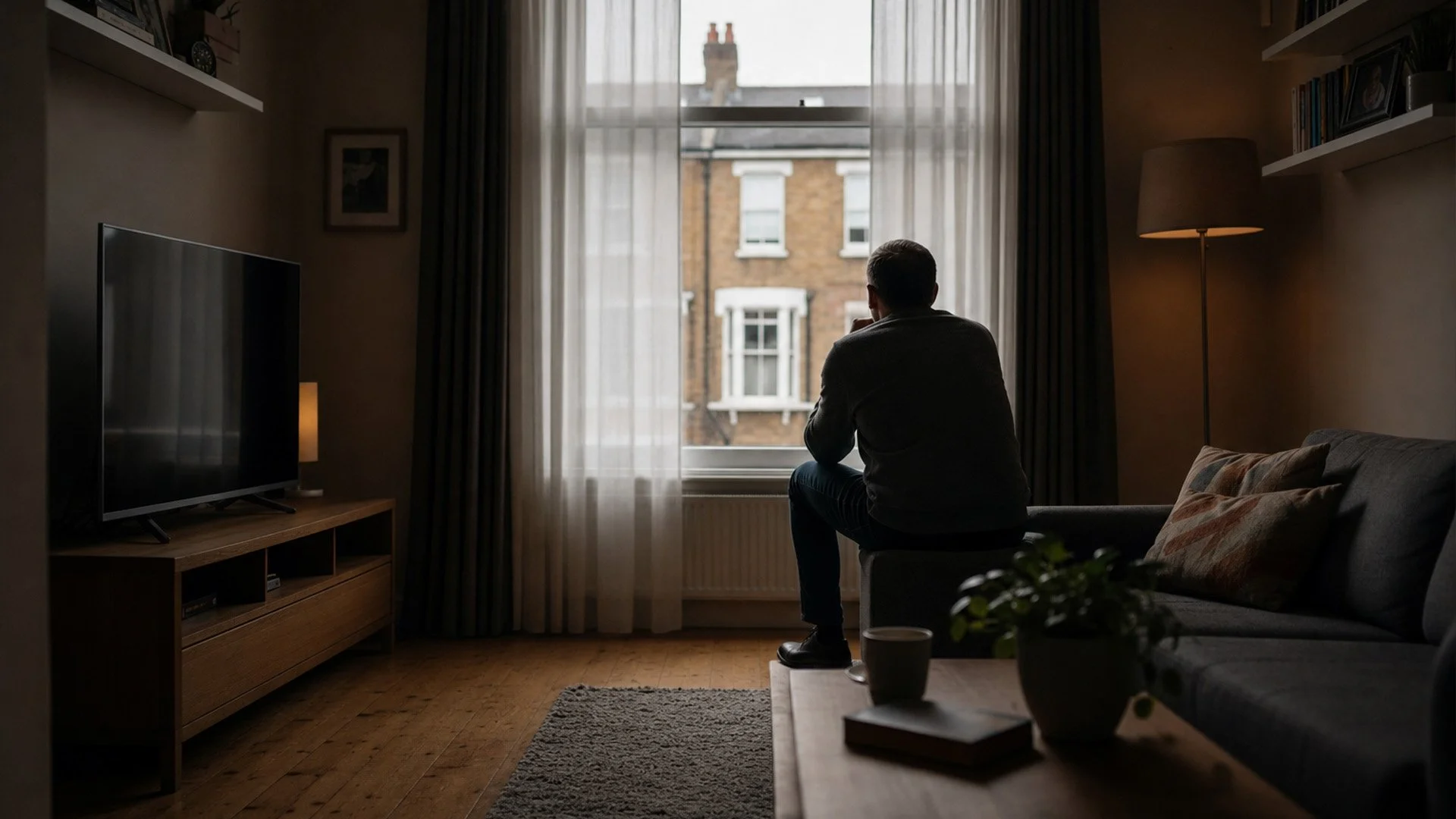
When tinnitus first arrives in your life it can be all-consuming. Your brain registers that unknown new noise as a threat, and with that comes the anxiety, reduced sleep, isolation and possible depression. But over time, life with tinnitus can improve considerably for most people. It's a journey.
I first got tinnitus back in 2009 and it had a massive impact on my life. I'm in a much better place with it now. I still have it, but I rarely notice it.
On this page I've listed some very candid questions that I would ask myself during my time with tinnitus, along with the answers I eventually found, in the hope they might help frame the mindset of someone with a new case or ongoing struggles with tinnitus.
Everyone's response and tinnitus journey is different and I'm not a professional medical practitioner, so please consult a doctor or specialist first if you have just started hearing tinnitus or noticed a change in your hearing.
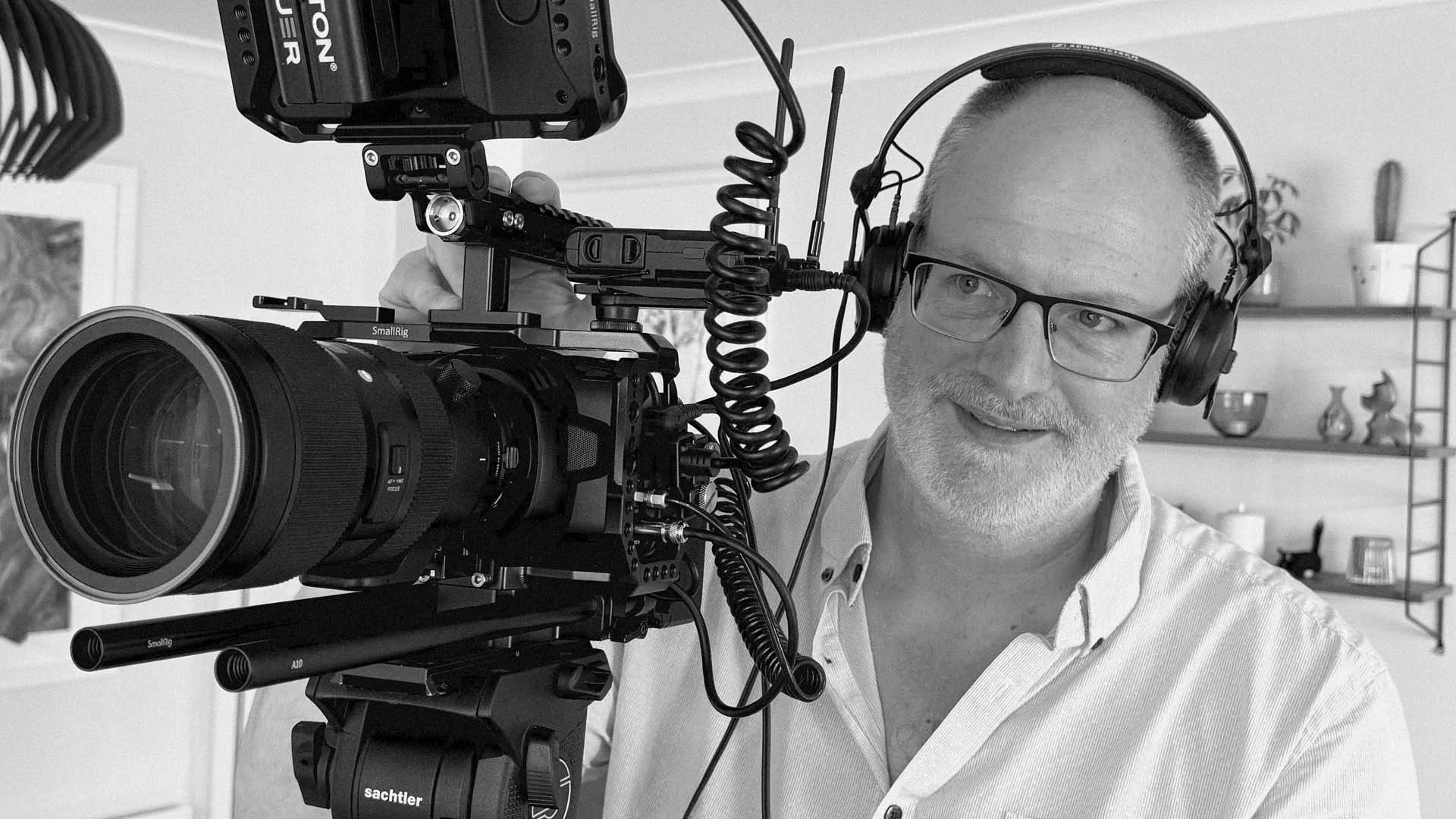
Keith Wright - Filmmaker
The early days: fear and panic
Am I losing my mind?
I genuinely thought I was. The spiralling thoughts, the dread, the inability to focus on anything but the sound in my head - it was all-consuming.
Here's how it works: new sound, no obvious source, your brain flags it as a threat, you go into fight or flight, panic sets in, fear spirals. Like a smoke alarm with no off switch.
But I discovered that by spending some time understanding what tinnitus was, its causes, and the mechanisms at work, I could start to demystify what was happening in my own head. That diffused my anxiety somewhat. Understanding that my brain was trying to make sense of this new noise stopped me from being quite so scared of it.
Will I ever experience silence again?
There are certain causes of tinnitus that can reverse the noise, such as dealing with compacted ear wax, resolving infections or stopping certain medications (always under the supervision of a doctor). But if the tinnitus has been around for a few months, then hearing true silence again is unlikely, at least not in the literal sense. But functionally? For me, yes.
I've spoken to people who've had tinnitus for thirty years and barely think about it. The sound is still there if they turn their attention to it, the same way the fridge hum is still there if you tune in. The brain just stops flagging it as a threat and no longer registers it.
Is this going to be my life forever?
This is the question I asked myself the most often. I was certain the answer was yes, and that I couldn't survive it.
In those early days of tinnitus, the sound in my head was driving everything including all the negative thoughts I was having. I'd describe it as like standing in the fog, unable to see or experience anything else around me apart from the suffocation of the fear brought on by the tinnitus.
I'm in a totally different place with it now. I could answer by saying that the noise is still there, but the negative thoughts are not.
Will it just keep getting louder?
Initially over the first few weeks and months it did seem to get louder, however, I think this was more to do with how much I was focussed on it, rather than an actual increase in volume. Even now, all these years later, I can go from not registering it to listening to it and it perceptually sounding louder.
It spiked (got louder for a short period of time), it fluctuated, it got worse with stress and tiredness and noise. But it never went up and up, it always came back to its base level.
I won't pretend everyone's path is identical. Some people do notice changes over time, often tied to hearing loss or noise exposure, which is exactly why getting checked matters. But the runaway, endless escalation I was so afraid of was not my reality, and from the people I've spoken to, it isn't most people's either.
Anxiety, mood and mental health
Why am I so anxious all the time?
Because tinnitus and anxiety feed each other. Your brain has flagged the sound as a threat, which switches on fight-or-flight. That floods your body with stress hormones and puts your mind and body into a heightened state.
Anxiety also makes the brain more sensitive to the sound, which keeps the alarm ringing, which keeps the anxiety high. It's a cycle that feeds itself until you can break it. For me, the way out wasn't through silencing the tinnitus, it was through calming my mind and body. This included using relaxation and distraction techniques to help break that cycle of fear and anxiety.
Why does my tinnitus seem louder when I'm stressed?
Because stress changes how your brain processes the sound, not just how you feel about it.
When you're stressed, your body floods with cortisol and adrenaline and goes on high alert. In that state your brain turns up the "gain" on incoming signals. Tinnitus gets caught in that boost.
There's also a wiring thing. Your hearing pathways are closely linked to the brain's emotion and attention circuits. Stress lights those up, they feed back into the hearing system, and the tinnitus feels louder and more urgent. The signal from your ear hasn't changed. The processing power aimed at it has.
Think of a toothache that's bearable during the day and unbearable at 3am. The nerve isn't doing anything different. Your nervous system is just primed to notice it.
My biggest counter to stress was going for long walks and listening to podcasts. The combination of physical exercise and having to actually listen and process what I was hearing pulled my attention off the tinnitus and onto something else. That mix had a massive positive impact for me.
I feel like I should be coping better. Why am I not?
Because this is harder than it looks from the outside, and harder than you're giving it credit for.
Your brain doesn't know it's "just" tinnitus. To your nervous system it's a permanent alarm, and it's reacting accordingly. The research compares the emotional impact to chronic pain, and nobody tells someone with chronic back pain to "just get on with it". Ease up on yourself. You're dealing with something genuinely difficult.
The key thing to remember is that you are not alone with this, but the pace and process by which you come to live with your tinnitus will be very personal and different to others.
Sleep, focus and daily life
How am I supposed to sleep with this?
Heading to bed can be one of the most challenging times for people with tinnitus. It's often a quiet room with little distraction. The perfect conditions for your tinnitus to become front and centre.
Tinnitus stole so many hours of my precious sleep. For the first few weeks and months I would find myself sitting downstairs at three in the morning watching TV. The impact was huge. Poor sleep has a massive knock-on effect on everything else, including work and daily routines.
I experimented with sound therapy, white noise machines, fans, putting the washing machine on late. You name it. Eventually, I discovered that the sound of a running stream played low at night was the thing I could shift my attention to. Sometimes using visualisation techniques, like imagining sitting by that stream in sunlight, was enough to help me drift off. Sleep is no longer an issue for me now, unless I have a tinnitus spike through being overworked and stressed. But these days that is a rare occurrence.
How am I supposed to concentrate with this in my head?
Having tinnitus is a massive distraction and consumes a lot of your mental energy. It's like trying to do anything with an alarm going off right next to your head. Imagine working in an office with a fire alarm going off all day. You'd be constantly on high alert with little energy for anything else.
As a freelance worker I had to take time off from work until I could get to a more manageable place with my tinnitus. But what I discovered was that as soon as I had to concentrate on my work again the tinnitus started taking a back seat. My mental capacity was being used elsewhere rather than processing the threat of tinnitus. This is something that can take time, but eventually it comes.
Will it ever get better?
Will my brain ever just tune this out?
It did for me, and that's the thing I most needed someone to tell me in the early days.
It's called habituation, and it's how a lot of people get their lives back. It's not the sound disappearing, it's the brain reclassifying it as background and unimportant, the same way it already ignores many other sounds in your life (like a humming fridge or a busy road close to your house).
It doesn't happen for everyone at the same pace, and some people find it harder to reach habituation than others, especially if their tinnitus sounds are very changeable. They may need additional help and techniques to move towards habituation. But for the vast majority, your brain already knows how to do this. It's done it a thousand times for other sounds. With tinnitus, it often just needs longer.
How long does this take?
During the making of the film, I discovered that everyone had a different timeframe for their habituation, ranging from three months to three years. Personally, it took me about 12 months.
My own experience was that it wasn't a straight journey, I had good weeks, bad weeks, good nights, bad nights and everything in between. But all the while I was moving closer towards habituation. All these years later I would say that I'm fully habituated.
If there's no cure, is there any hope?
Loads. But it helps to separate two words people use as if they mean the same thing.
Cure means the sound stops. There's no medication for that, not yet. Relief is different. Relief is moving from "this is destroying my life" to "this barely registers most days". That's not a fantasy, it's what a lot of people who stick with it eventually experience. I think of it like learning to live near a busy railway track. You don't move the track. After a few months you stop hearing the trains.
Why is it so much worse some days?
Because tinnitus is sensitive to all the things you'd expect, like stress, broken sleep, poor hydration, mental health and mood. Every day is different and tinnitus can act like a barometer for your mind and body. For example, if I'm ill from a cold or infection, my tinnitus often ramps up until I'm recovered. The same if I'm stressed or under pressure, it shoots up until things have calmed down.
I drove myself mad in the early days trying to figure out the trigger for every tinnitus spike. Was it the alcohol? The impossible deadline for work? Muscle tension? The noisy environment I was in yesterday? Sometimes yes, often no. Either way, don't read too much into one bad day - that kind of focus can bring tinnitus right back into the spotlight. For me, the trend over months moved toward easier. The bad days weren't my new baseline, they were just another temporary part of my tinnitus journey.
Feeling understood and finding your feet
Why doesn't anyone in my life understand?
Because tinnitus is invisible. If I'd broken my leg, everyone would have seen the issues. With tinnitus, I looked completely fine.
The sound destroying my sleep was something nobody else could hear, measure, or compare to anything in their own life. Most loved ones or friends genuinely don't have a frame of reference. It's one of the reasons I'm making Surviving Tinnitus - to give the people in our lives a better understanding of the condition and its impact.
Should I avoid noisy places now?
I went to both extremes early on and both backfired for me.
Earplugs everywhere, avoiding restaurants, hiding from sound: this seemed to make my brain more sensitive to sound, not less. The other extreme, blasting your ears with no protection, is also a bad idea, it can result in damage to your hearing which in turn can exacerbate tinnitus.
The middle ground I've landed on: live a normal life, with sensible hearing protection where needed. Good quality attenuating earplugs for loud events are an essential you can carry around with you. You can still enjoy life, but with a sensible approach to protecting your hearing.
Can I still enjoy life?
In the worst weeks I genuinely didn't believe the answer was yes. Now, for me, I know it is.
Most days I forget I have tinnitus for hours at a time. The thing that was stopping me enjoying life back then wasn't the tinnitus itself, it was the alarm response to it. When that faded, and it did, the sound became just another fact about my body. There. Real. But not getting in the way of living my life.
What's the single most important thing you'd tell your early-days self?
Stop fighting it.
I know how impossible that sounds in the early stages and honestly you probably have to go through this stage to reach the acceptance stage. I certainly did. But everyone I've spoken to during the making of Surviving Tinnitus says roughly the same thing: "Don't fight tinnitus, find a place of peace with it…". The harder you push against it, the more your brain locks onto it as a threat.
I couldn't do this on my own. Finding the right information helped, there are a lot of excellent organisations online that can put you on the right path. Reading and understanding what tinnitus is and how it impacts you is one of the best ways to start the process of habituation. Understanding tinnitus is the best way to demystify the power it holds over you.
Combine that with the right sound enrichment, finding the right medical professionals to talk to and most importantly of all talking to other people about it. With millions of other people living with tinnitus, you will be surprised to find that you are never far from another person with tinnitus, a work colleague, a family member or neighbour. I found that talking to other people who have actually got it (whether online or in person) helped me incredibly. You don't have to do this perfectly and you don't have to do it alone.
Disclaimer: None of this is a substitute for medical advice. See a doctor if you have any issues with your hearing or have noticed a new noise such as tinnitus.
Click here for a list of organisations with helpful information in your part of the world.