

ABOUT THE FILM
Imagine hearing a constant sound in your head, 24/7, that no one else can hear. A high-pitched whistle, a hum, static, or a mix of sounds that never stops. This is tinnitus, and it affects an estimated 120 million adults, in a troublesome way, worldwide.
Tinnitus is widely misunderstood, even within parts of the medical profession. Too many people are told that nothing can be done, or are simply advised to "learn to live with it." The reality is that chronic tinnitus can be life-altering, affecting sleep, concentration, mental health, and relationships.
Surviving Tinnitus is the first feature-length documentary about the condition. The film brings together real stories from people living with tinnitus alongside specialists working at the forefront of understanding and managing it. It explores what tinnitus is, why it develops, how people can learn to manage its impact, and where research is heading.
This film was made to do three things: raise awareness, help people who are suffering, and provide a single, honest resource that brings everything together in one place. By combining personal experiences with expert insight, the film aims to bridge the gap between scientific research and the realities of living with tinnitus every day.

"Being told no cure as a teenager... it changed everything" - Sarah
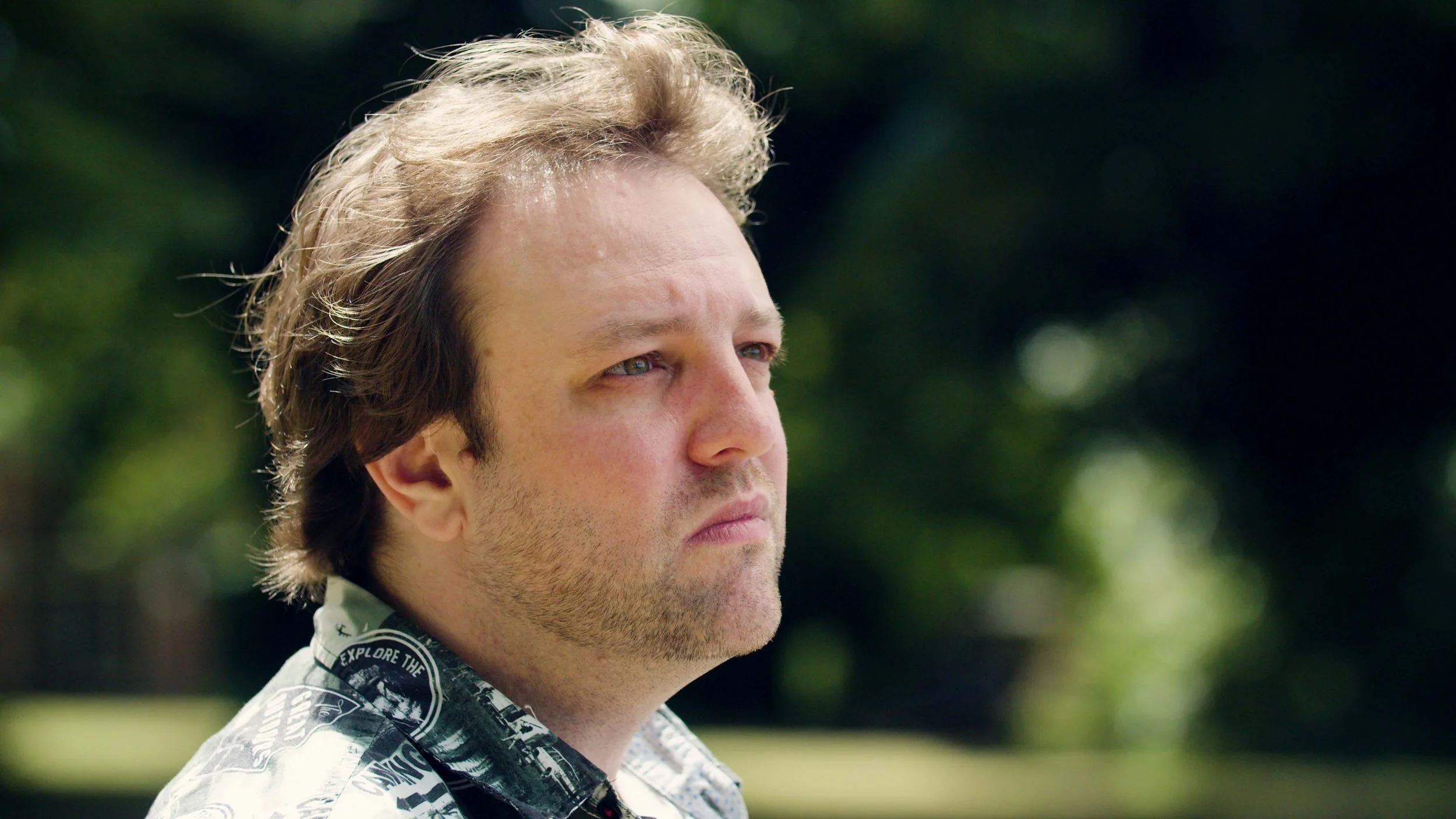
"I wondered whether this was going to ruin my life" - James
ABOUT THE CONTRIBUTORS
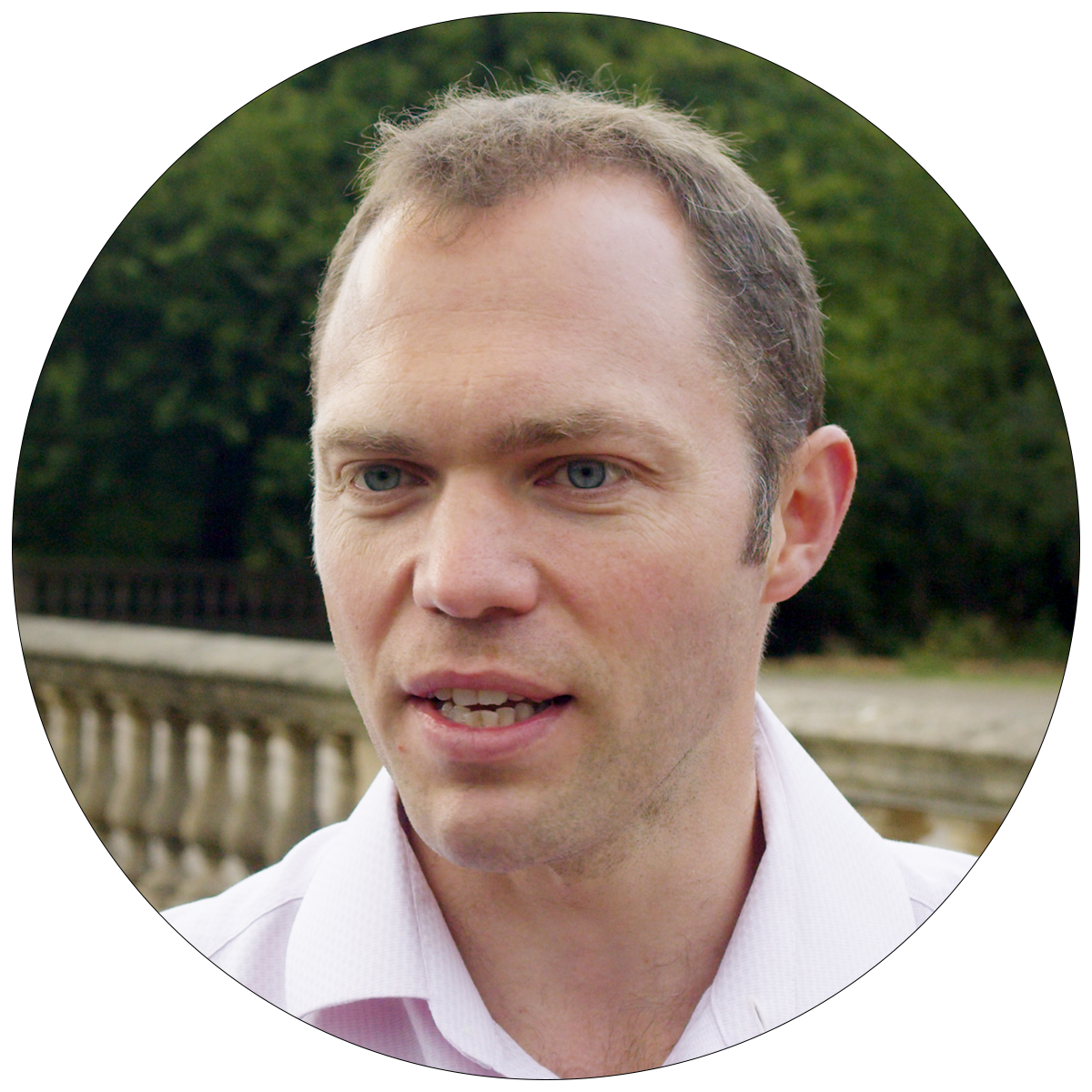
Dr will sedley
Will is a consultant neurologist and tinnitus researcher at Newcastle University. He's been studying the brain mechanisms behind tinnitus since 2008, with a focus on how the brain's automatic predictions may trigger or suppress it.

Dr james jackson
James has lived with tinnitus his entire life, he just didn't know it wasn't normal until he was 18. That discovery, alongside sudden hearing loss, shaped everything. He went on to make tinnitus the focus of his PhD and is now Reader in Psychology at Leeds Trinity University, where he researches its psychological impact, specialising in CBT and mindfulness.

DR gladys sanda
Gladys has worked in audiology for over a decade, specialising in tinnitus and hyperacusis. She is also author of the book Beyond the Noise: A Practical Guide to Tinnitus Relief and lives with tinnitus herself.
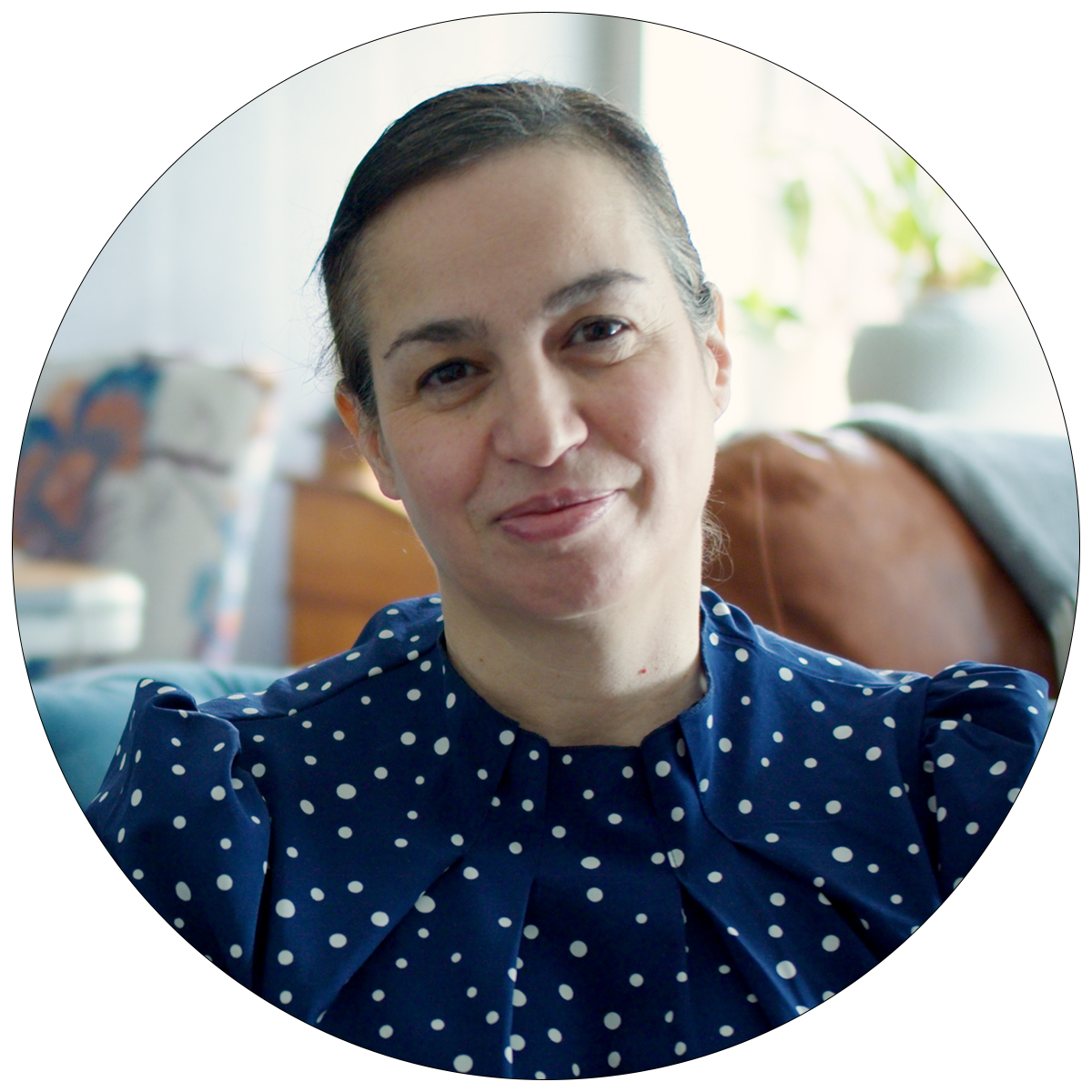
louise hart
Louise is an audiologist and tinnitus therapist with over 30 years experience across the NHS and private practice. With a background in psychology and a specialism in cognitive behavioural techniques, she brings a unique perspective and also lives with tinnitus.

Sarah richardson
Sarah was just 15 when she woke up one morning to a ringing in her ears that never went away. She faced exams, social isolation, and being told "there's no cure" - all as a teenager. Now, over a decade on, she's living proof that moving on with tinnitus is possible.

james alexander
James is a professional musician whose livelihood depends on the one thing tinnitus disrupts most - sound. Still in the early stages of his journey, he's finding ways to protect his hearing and keep performing without giving up the music he loves.
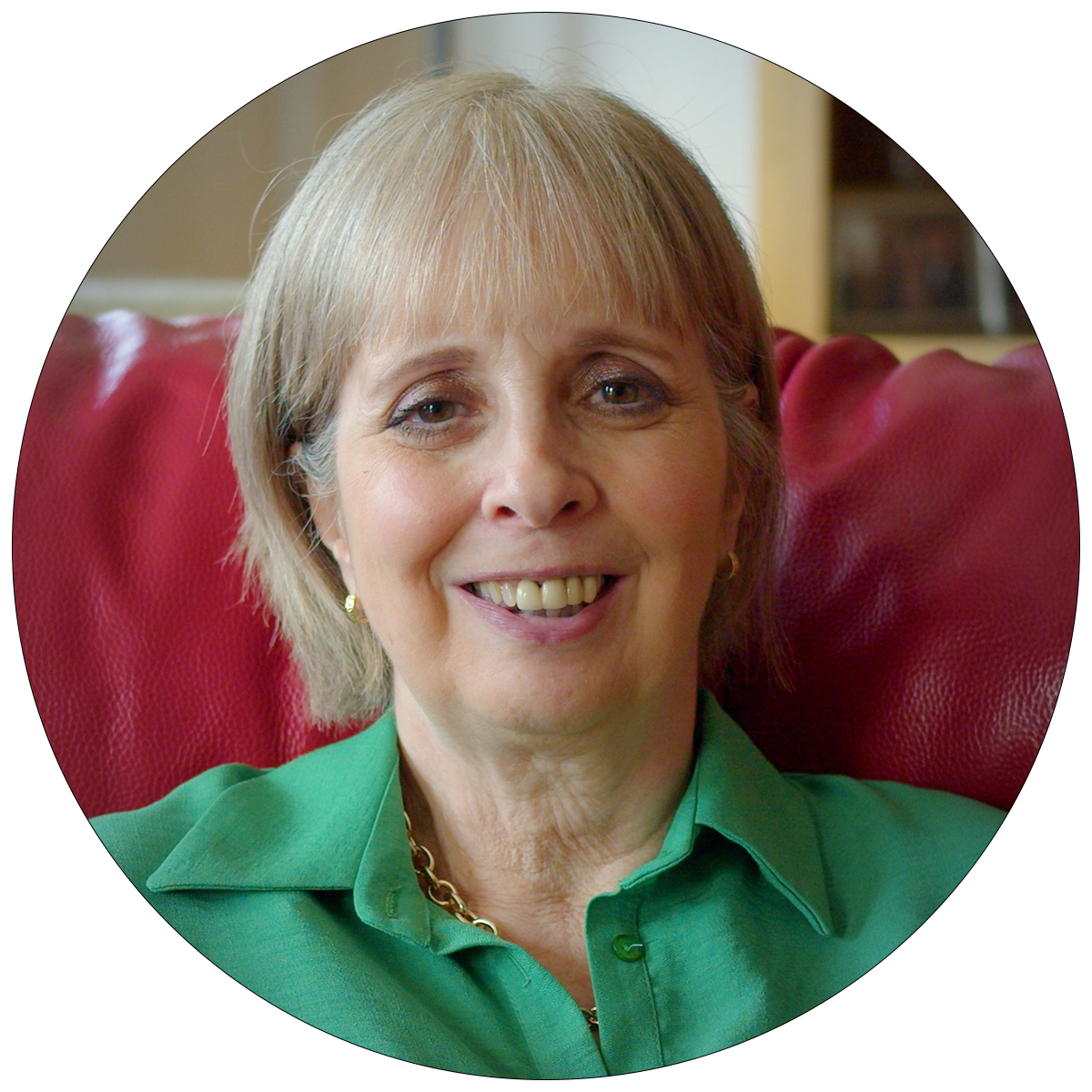
Deborah jefferis
Deborah picked up tinnitus from a workplace ear infection over 20 years ago. It turned her world upside down — sleepless nights, isolation, and years of searching for anything that might help.
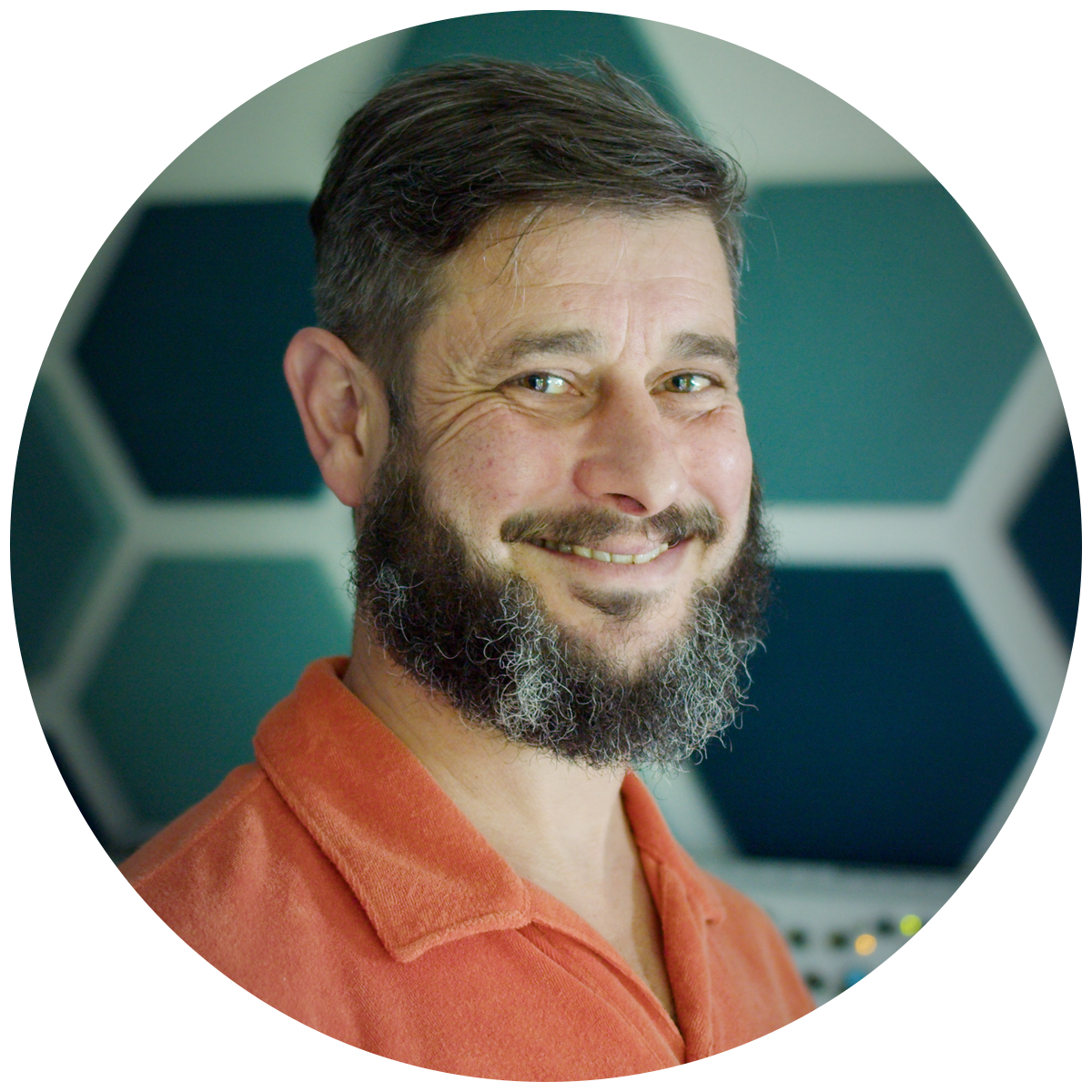
Simon bowker Heighes
Simon spent years behind the decks as a DJ until tinnitus and hyperacusis forced him to step back from doing what he loved. After years of setbacks, and what he describes as grieving his old life, he's come out the other side and returned to DJing again.

Keith Wright
After decades working in film and television, tinnitus arrived and changed everything. The constant noise that now fills his head became the reason for this film, a project that's both deeply personal and, he hopes, genuinely useful to the millions of people living with the same invisible condition.
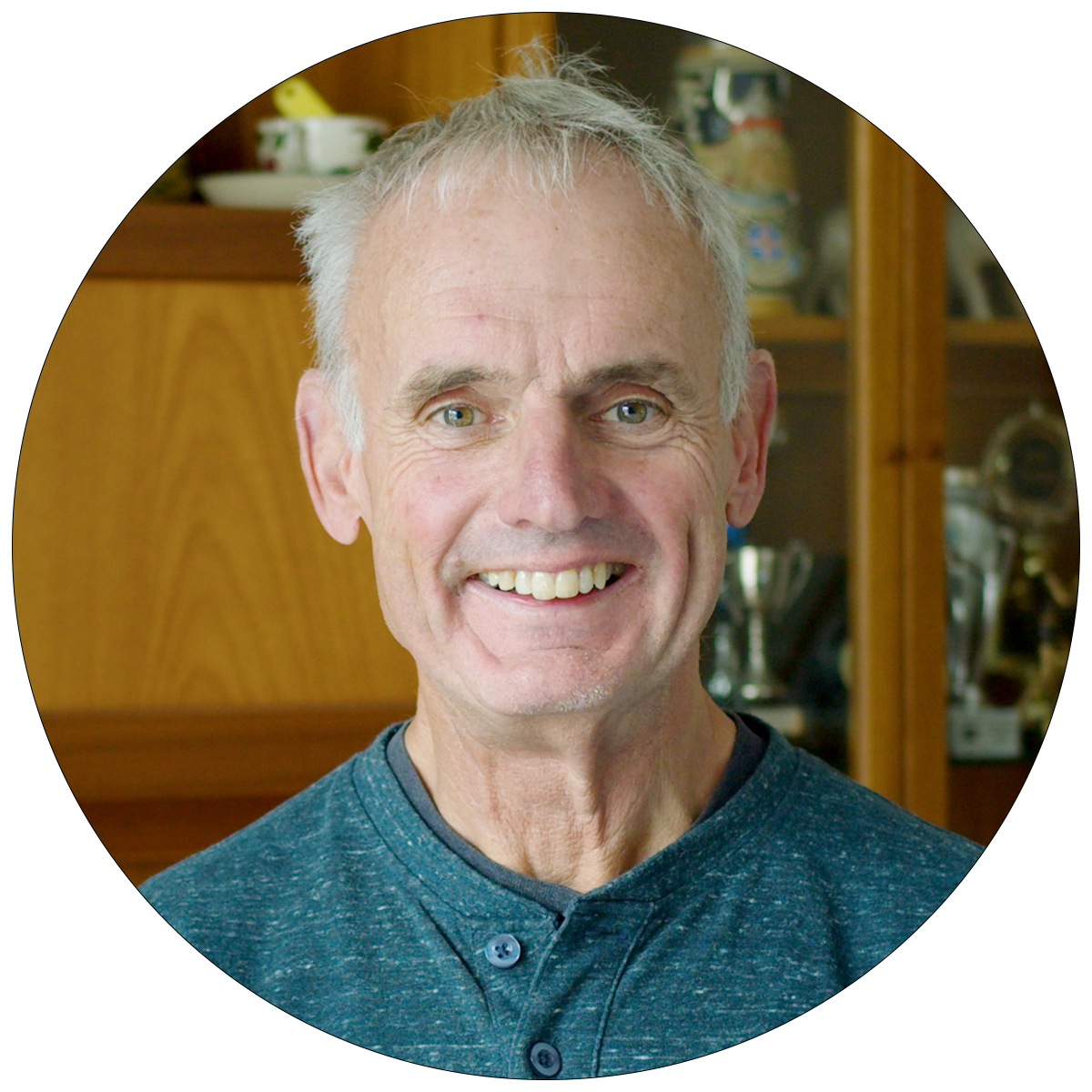
chris zaremba
Chris was halfway through a relaxing holiday when tinnitus showed up uninvited and never left. The early years hit hard, sleepless nights, withdrawal from the things he loved, and moments where he was on his knees begging for it to stop. Over eight years on, he's learned to live alongside it.